
Have you ever run out of hot water in the middle of a shower or waited what feels like forever for it to heat back up again? It’s a jarring experience that reminds us just how much we rely on hot water every single day. And since we depend so much on hot water, it only makes sense that we should invest in a high-quality water heater.
Today, homeowners often find themselves deciding between two main options when buying a new water heater: traditional tank water heaters and modern tankless systems. Each comes with its own set of benefits and drawbacks, and understanding the nuances of each can help you make the best choice for your household.
How Traditional Tank Water Heaters Work
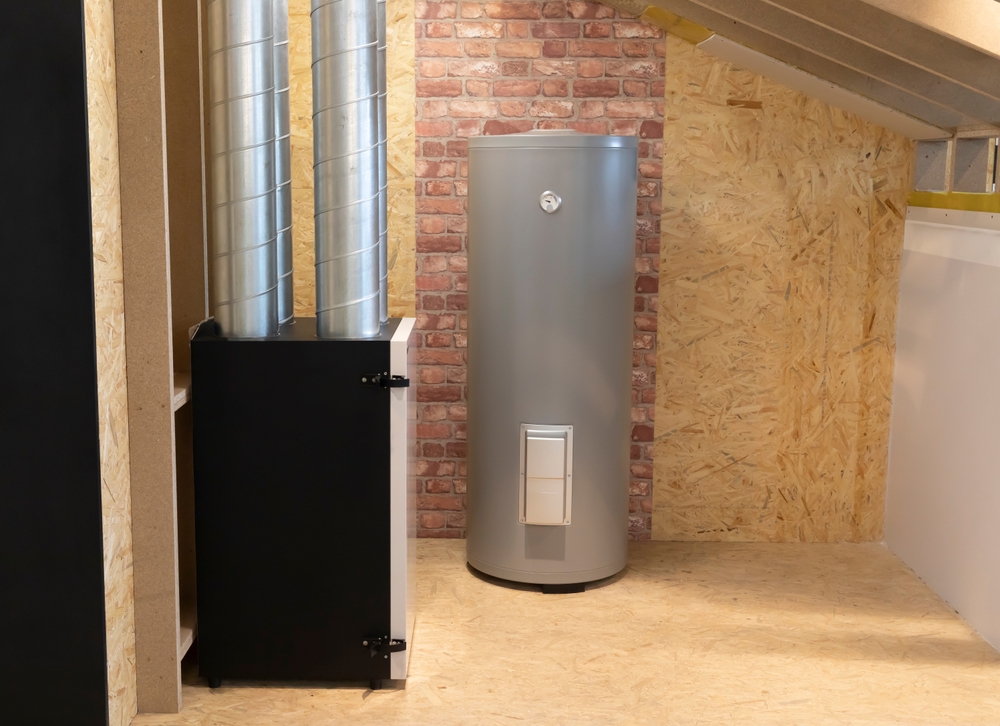
Tank water heaters are the most common type found in homes. As the name suggests, these systems store a large volume of water (typically between 30 and 80 gallons) in an insulated tank. The water inside is continuously heated to a set temperature, ensuring it’s ready whenever you need it.
When you turn on a hot water tap, heated water is drawn from the top of the tank and delivered through your plumbing system. As hot water leaves the tank, cold water enters the bottom to be heated. This process continues until the tank is depleted, at which point you’ll need to wait for the system to reheat a fresh supply.
Tank water heaters are powered by electricity, natural gas, or propane. Their simple design and long-standing use make them a familiar and reliable option for many homeowners.
How Tankless Water Heaters Work
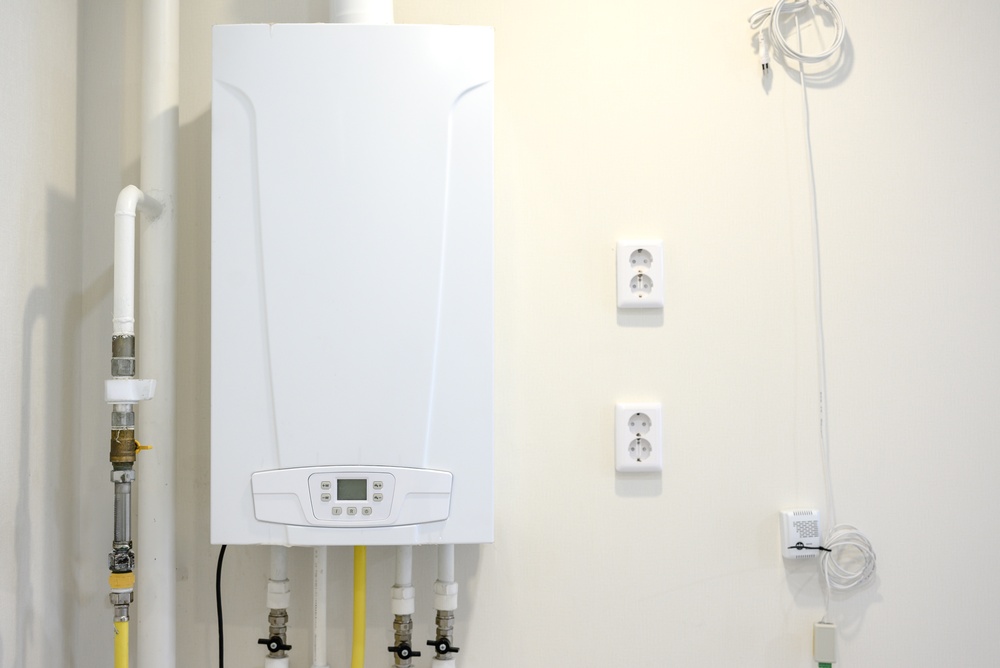
Tankless water heaters, also known as on-demand systems, operate quite differently. Instead of storing hot water, these units heat water only when it’s needed. When you turn on a faucet, for example, cold water flows through a heat exchanger inside the unit, where it’s rapidly heated by gas burners or electric elements.
Because tankless systems don’t rely on stored water, they can provide a continuous supply of hot water, as long as the demand doesn’t exceed the system’s capacity. This makes them especially appealing for households that frequently run multiple hot water appliances at once.
Tankless units are also compact and typically mounted on a wall, freeing up valuable space and blending seamlessly into modern decor.
Pros and Cons of Tank Water Heaters
Traditional water heaters remain a popular choice for a reason. Of course, you must note their limitations when comparing tank units vs. tankless water heaters.
The Pros:
- Lower Upfront Cost: Traditional tank heaters are significantly less expensive to purchase and install than tankless models. If you are on a tight budget for an emergency replacement, a tank model is the most accessible option.
- Simple Installation and Maintenance: Because they’ve been around for decades, most plumbers are familiar with installing and servicing these systems.
- Reliable Performance: When properly sized, a tank system can effectively meet the hot water needs of many households.
The Cons:
- Limited Hot Water Supply: Once the tank is empty, you’ll need to wait for it to refill and reheat. This can be frustrating during back-to-back showers or heavy usage.
- Higher Energy Consumption: Tank systems continuously heat water, even when you’re not using it, which can lead to higher energy bills.
- Shorter Lifespan: Most tank water heaters last around 8-12 years, which is typically shorter than tankless models.
- Space Requirements: These units can take up significant floor space in basements, utility rooms, or closets.
Pros and Cons of Tankless Water Heaters
Just like their tank-style counterparts, tankless water heaters have both their advantages and disadvantages.
The Pros:
- (Nearly) Endless Hot Water: Since water is heated on demand, you rarely run out.
- Improved Energy Efficiency: Tankless systems only heat water when needed, which can reduce energy waste and lower utility costs over time.
- Longer Lifespan: Many tankless units last 15-20 years or more with proper maintenance.
- Space-Saving Design: Their compact size allows for flexible installation, especially in smaller spaces.
The Cons:
- Higher Upfront Costs: Tankless systems typically cost more to purchase and install, especially if upgrades to gas lines or electrical systems are required.
- Limited Simultaneous Output: While they provide continuous hot water, running multiple fixtures at once may exceed the unit’s capacity.
- Installation Complexity: Retrofitting a tankless system into an older home may require additional modifications, which can increase installation time and cost.
Which Option Is Best for Your Home and Lifestyle?
Deciding between a tank and a tankless water heater ultimately comes down to your household’s needs, budget, and long-term goals.
If you’re looking for an affordable, straightforward solution and your household has moderate hot water usage needs, a traditional tank water heater may be the right fit. It’s a reliable option that gets the job done without a significant upfront investment.
On the other hand, if you’re tired of running out of hot water or want to improve your home’s energy efficiency, a tankless system may be worth considering. These units are particularly beneficial for larger families, homes with high water demand, or homeowners planning to stay in their property long-term and looking to maximize efficiency.
Find the Right Water Heater for Your Home
Are you considering upgrading your current water heater? Call on Cooper Mechanical Inc. for a professional assessment of your home’s plumbing, gas lines, and your family’s specific water usage patterns. We will provide expert guidance, professional installation, and reliable water heater repairs so that your new unit continues to meet your hot water demands for years to come.
Contact us today to schedule a plumbing installation in Doylestown, PA, or one of the surrounding areas and take the next step toward a more reliable and energy-efficient hot water system.