
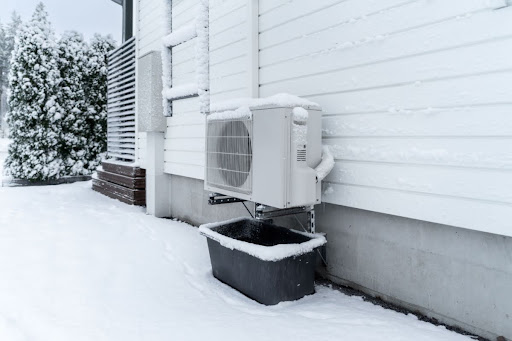
Heat pumps have gained a lot of attention as homeowners look for more efficient ways to heat and cool their homes. Along with that attention comes plenty of misinformation. Many people still picture heat pumps as systems meant only for warm regions, or they assume they can’t keep up during real winter weather.
Cold climates demand dependable heating solutions, so it makes sense that homeowners want clear answers before making a change. We’ll break down the common myths about heat pumps and explain how modern systems actually perform when temperatures drop. By separating outdated assumptions from current reality, homeowners can make more informed decisions about their comfort.
Myth One: Heat Pumps Do Not Work in Cold Weather
One of the most common misconceptions is that heat pumps stop functioning once outdoor temperatures fall too low. This idea comes from early generations of heat pumps that lacked the technology needed to perform well in colder regions.
Modern heat pumps are designed to extract heat energy from the air even when temperatures dip below freezing. Cold climate models use advanced compressors and refrigerants that allow them to continue delivering heat efficiently throughout the winter. In real-world conditions, these systems operate reliably during the type of cold weather seen across Pennsylvania.
Myth Two: Heat Pumps Cannot Keep a Home Warm Enough
Some homeowners worry that a heat pump will struggle to maintain comfortable indoor temperatures during extended cold spells. This concern usually stems from systems that were improperly sized or installed.
When a heat pump is correctly matched to the home, it can maintain steady warmth without constant cycling. Variable-speed operation allows the system to adjust output gradually, which helps prevent temperature swings. Many homeowners find that this consistent heat delivery feels more comfortable than the short, intense bursts produced by older heating systems.
Myth Three: Heat Pumps Are Only for Southern States
Heat pumps were once more common in mild climates, but technology has evolved significantly. Today, cold climate heat pumps are used successfully in regions with long winters and frequent snowfall.
Manufacturers now design systems specifically for colder environments, and performance ratings reflect how well they operate at lower temperatures. In areas like Bucks and Montgomery counties, heat pumps have become a practical option for homeowners seeking efficiency without sacrificing comfort.
Myth Four: Heat Pumps Lead to High Electric Bills
Another persistent myth is that heat pumps cause electric bills to spike during winter. While heat pumps do use electricity, they do so very efficiently.
Instead of generating heat, heat pumps transfer existing heat energy. This process uses less energy than systems that rely on burning fuel. As a result, many homeowners experience more stable and manageable energy costs throughout the heating season. Actual savings depend on factors like insulation, thermostat settings, and overall system condition.
Myth Five: Heat Pumps Are Complicated to Maintain
Some people assume heat pumps require constant service or specialized upkeep. In reality, their maintenance needs are similar to those of other HVAC systems.
Routine care includes filter changes, cleaning coils, and periodic professional inspections. Because heat pumps handle both heating and cooling, maintaining them supports year-round comfort. When issues arise, addressing them early helps preserve efficiency and system lifespan.
Myth Six: Heat Pumps Blow Cold or Drafty Air
This myth often comes from misunderstanding how heat pumps deliver warmth. Heat pumps typically supply air that feels less hot than furnace air, but they run longer cycles to maintain consistent temperatures.
The result is even heat distribution throughout the home rather than noticeable bursts followed by cooling periods. Proper duct design and airflow balance play a key role here. When installed correctly, a heat pump should not create drafts or cold spots.
Myth Seven: Heat Pumps Are Too Loud for Residential Use
Older equipment could be noisy, but modern heat pumps are built with sound reduction in mind. Advances in motor design, insulated cabinets, and variable-speed fans contribute to quieter operation.
Outdoor units today are often quieter than older air conditioning systems. Indoor components also operate smoothly, making heat pumps a good choice for homeowners concerned about noise levels.
Myth Eight: Heat Pumps Are a Risky Investment
Some homeowners hesitate to invest in heat pump technology because they worry about long-term reliability or resale value. This concern is understandable, especially when replacing a familiar heating system.
Modern heat pumps are built for durability and supported by strong manufacturer warranties. As energy efficiency becomes more important to homebuyers, efficient heating systems can be a selling point. When properly installed and maintained, a heat pump can deliver dependable performance for many years.
Why Proper Installation Makes All the Difference
Many heat pump complaints trace back to poor installation rather than system design. Proper sizing, placement, and integration with existing ductwork are essential for performance.
A professional assessment considers the home’s square footage, insulation, layout, and heating needs. Skipping this step can lead to comfort issues, higher energy use, and unnecessary wear on equipment. Quality heat pump repair and installation services help ensure the system performs as intended in cold weather.
Heat Pumps and Whole-Home Efficiency
Heat pump performance improves when paired with good insulation, sealed ductwork, and proper airflow. A well-sealed home allows the system to maintain comfort more easily and efficiently.
Many homeowners also choose to install smart or programmable thermostats. These controls help manage temperature settings and reduce unnecessary energy use. Small upgrades can make a noticeable difference in comfort and operating costs.
When Heat Pumps Make Sense for Older Homes
Older homes can benefit from heat pumps, but they often require additional evaluation. Ductwork condition, insulation levels, and electrical capacity all play a role in system performance.
In some cases, homeowners choose hybrid setups that combine a heat pump with a secondary heating source. This approach provides flexibility and peace of mind during extreme cold events. A professional assessment helps determine the best configuration for the home.
Making Informed Heating Decisions
Heating systems are long-term investments, so accurate information matters. Relying on outdated myths can limit options and lead to missed opportunities for efficiency and comfort.
Understanding how modern heat pumps work empowers homeowners to evaluate their choices with confidence. The right system depends on the home, the climate, and how the space is used. Clear guidance helps homeowners move forward with fewer surprises.
Trusted Support for Home Heating Needs in Bucks and Montgomery Counties!
At Cooper Mechanical, we help Pennsylvania homeowners cut through confusion and focus on solutions that work in real-world conditions. Our team has experience evaluating, installing, and maintaining modern heating systems designed for cold-weather performance.
We proudly provide heating services in Bucks and Montgomery counties, focusing on comfort, reliability, and honest recommendations. If you are exploring heating upgrades or have questions about heat pump performance, our team is ready to help you move forward with confidence. Get in touch with us today!