
Humidity plays a bigger role in home comfort than many homeowners realize. When moisture levels are too high or too low, it can affect how your home feels, how your HVAC system performs, and even how healthy your indoor environment is. Balanced humidity helps support comfort, protects your home, and improves overall air quality.
Because humidity changes with the seasons, maintaining the right balance requires a combination of awareness and smart adjustments. Below are five practical tips that can help keep moisture levels in a healthy range throughout the year.
1. Know the Ideal Indoor Humidity Range
The first step in balancing humidity is understanding what level you are aiming for. Most homes feel most comfortable when indoor humidity stays between 30 and 50%. Levels outside this range can cause noticeable issues.
Low humidity often leads to dry skin, irritated sinuses, static electricity, and damage to wood furniture or flooring. High humidity can make the home feel stuffy and warm, encourage mold growth, and strain your HVAC system. A simple digital hygrometer can help you monitor indoor humidity and spot trends before they become problems.
2. Improve Airflow and Ventilation
Good airflow helps regulate moisture by allowing humid air to escape and drier air to circulate. Poor ventilation often traps moisture indoors, especially in kitchens, bathrooms, and laundry areas.
Using exhaust fans during cooking and showering helps remove excess moisture at the source. Keeping vents clear and ensuring air can move freely throughout the home also makes a difference. When airflow is restricted, humidity tends to build up unevenly from room to room.
3. Use Your HVAC System More Strategically
Your heating and cooling system plays a major role in humidity control. Air conditioners naturally remove moisture from the air as they cool, while heating systems can dry the air during colder months.
Running your system consistently rather than cycling it on and off frequently helps maintain more stable humidity levels. Regular maintenance also matters. Clean filters and properly functioning equipment allow the system to manage moisture more effectively. When HVAC systems struggle, humidity problems often follow.
4. Address Sources of Excess Moisture
Some humidity issues come from hidden or overlooked sources. Leaks, poor drainage, and damp basements can introduce moisture into the home continuously.
Checking for plumbing leaks, ensuring sump pumps function properly, and keeping gutters clear can reduce unwanted moisture. In homes with basements or crawl spaces, proper sealing and dehumidification may be necessary. Controlling moisture at its source prevents bigger comfort and air quality problems later.
5. Consider Whole-Home Humidity Solutions
Portable humidifiers and dehumidifiers can help in small spaces, but they often fall short in managing humidity throughout an entire home. Whole-home solutions integrate directly with your HVAC system and provide more consistent results.
Depending on your needs, this may include adding a humidifier, a dehumidifier, or both. These systems work automatically to maintain balanced moisture levels without constant manual adjustment. In many homes, humidity control works best when paired with air purification and filtration services that support overall indoor air quality.
Seasonal Humidity Challenges to Watch For
Humidity issues often shift with the seasons. During winter, heating systems can dry out indoor air, leading to discomfort and health concerns. During summer, excess moisture can make the home feel warmer and encourage mold growth.
Being aware of these seasonal patterns helps homeowners respond proactively. Adjusting thermostat settings, using humidity controls, and scheduling maintenance before seasonal changes can make a noticeable difference.
How Balanced Humidity Protects Your Home
Balanced humidity does more than improve comfort. It also protects your home’s structure and contents. Excess moisture can damage drywall, promote mold growth, and weaken wood over time.
On the other hand, air that is too dry can cause wood floors, furniture, and trim to crack or warp. Maintaining proper humidity helps preserve your home and reduce long-term repair costs.
Signs Your Home Has a Humidity Problem
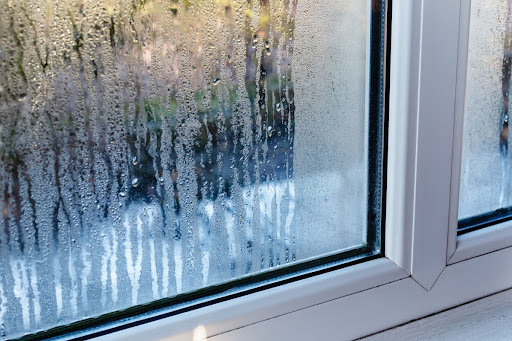
Some signs of humidity imbalance are easy to spot, while others are more subtle. Common indicators include condensation on windows, musty odors, frequent static shocks, or rooms that feel consistently uncomfortable.
Health-related signs may include dry skin, allergy flare-ups, or respiratory irritation. If these issues persist, it may be time to evaluate how your home manages moisture.
Professional Support Makes a Difference
Humidity control is not one-size-fits-all. Each home has unique factors that influence moisture levels, including size, insulation, ventilation, and existing HVAC equipment.
At Cooper Mechanical, we help homeowners evaluate their indoor environment and identify practical solutions that fit their needs. Our humidification services in Bucks County and Montgomery County focus on long-term comfort, system performance, and healthy indoor air.
Creating a More Comfortable Home Today!
Balancing humidity is an important part of creating a home that feels comfortable year-round. Small adjustments can help, but lasting results often come from integrated solutions that work with your HVAC system.
Our team is here to help homeowners understand their options and choose solutions that make sense for their space. If you are experiencing comfort issues related to humidity, reach out to Cooper Mechanical and let us help you create a healthier, more comfortable home! We proudly serve the residents of Bucks and Montgomery counties!