Early fall is an ideal time to prepare your heating, ventilation, and air conditioning (HVAC) system for winter. A fall HVAC maintenance checklist breaks the job into a few simple homeowner tasks and one professional tune-up. You start with the filter and thermostat, then move on to vents, warning signs, and visible ductwork.
Cooper Mechanical has provided heating services near you in Doylestown, Pennsylvania, and the surrounding areas for 50 years. Here, I explain what homeowners should do before winter arrives, from changing the filter to booking a furnace tune-up.
Key Takeaways
- A fall HVAC maintenance checklist covers the filter, thermostat, vents, and visible ductwork, then finishes with a professional furnace tune-up before heating season.
- Standard 1-inch filters typically need replacing every one to three months, and pets, allergies, or heavy system use can shorten that window.
- Unusual sounds, lingering odors, and short cycling are worth a service call, but a dirty filter is often the simplest cause to rule out first.
- Cooper Mechanical, a full-service HVAC and plumbing company, offers one preventative maintenance program for all equipment types and 24/7 emergency service near you in Doylestown, Pennsylvania, and the surrounding areas.
Why Does a Fall HVAC Maintenance Checklist Matter, and What Should It Include?
A well-maintained furnace uses less energy to keep a home warm, which may lower energy bills. Routine care can also reduce the risk of a breakdown during the coldest months and help extend the equipment’s life. Timing matters, too. Heating contractors tend to get busy once cold weather arrives. Booking in early fall leaves time for adjustments.
Most maintenance tasks are simple and can be completed by homeowners. Anything involving electrical, gas, or sealed components should be handled by a licensed technician. Your fall HVAC checklist should be broken into these areas:
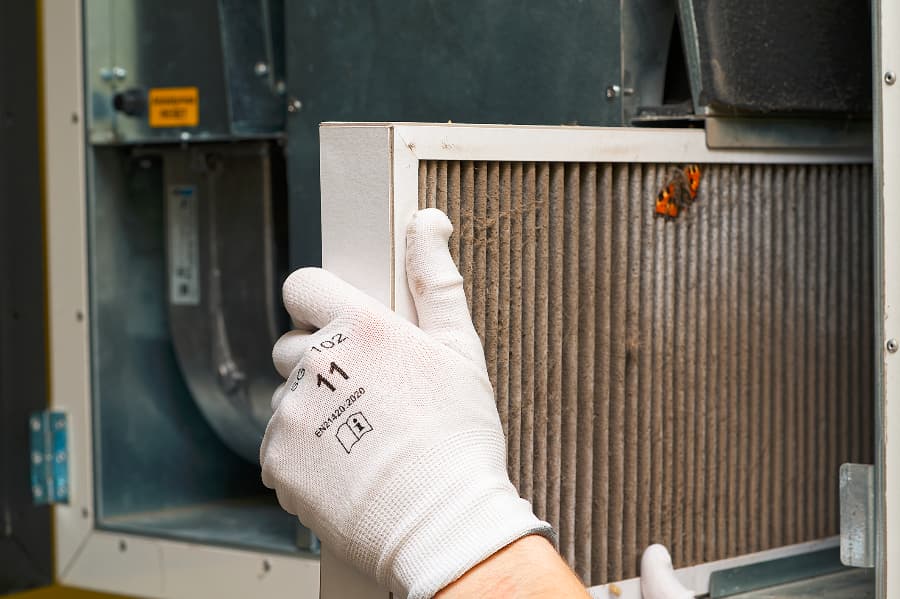
Check and Replace the HVAC Filter
A clogged filter restricts airflow and can make your system work harder. Check it monthly and replace it at the start of the heating season, per the manufacturer’s instructions. Standard 1-inch filters generally last one to three months. Thicker 4- to 5-inch media filters can go six to 12 months.
Can’t find your filter? Our team can help you locate or change it. If a filter can’t keep up with household dust, an air filtration system may help.
Test the Thermostat and Heating Controls
A few weeks before you need heat, set the thermostat high enough to activate the furnace and check that it responds. If nothing happens, replace the thermostat batteries. Also, confirm the thermostat schedule matches your current routine. This is important because adjusting setback periods while you’re away can lower heating costs.
Clear Vents, Registers, and Outdoor Equipment
Keep carpets, curtains, drapes, and furniture away from registers and returns so air can circulate freely. Also check exterior intake and exhaust vents for leaves and nests. If you have a heat pump, remove dead leaves and debris from around the outdoor unit. Always shut off your system before you touch outdoor equipment to avoid injury or damage.
Check for Unusual Sounds, Odors, and Short Cycling
Once the heat kicks on, signs worth a service call include:
- Grinding, banging, or squealing noises
- Musty or burning odors that linger
- Short cycling (the system turning on and off rapidly)
- Weak airflow or uneven room temperatures
Short cycling and weak airflow often trace back to a dirty filter, so start there. If the problem sticks around, our team provides heating repairs and service for all brands.
Inspect Visible Ductwork and Airflow
Cracks in ductwork, especially at connection points, let heated air escape and reduce efficiency. Inspect all visible ducts, paying special attention to the joints. If you notice air leaks, schedule a professional inspection for repairs. Our team also provides custom ductwork and fabrication services to ensure your HVAC system operates efficiently and meets your home’s unique needs.
When Should You Book a Furnace Tune-Up, and What Does It Include?
Most furnaces should receive professional maintenance annually, following the manufacturer’s recommendations. Heat pumps and other systems that provide both heating and cooling may require additional seasonal maintenance.
During a professional heating inspection, a technician typically handles tasks such as:
- Tightening electrical connections and measuring voltage and current on motors
- Checking thermostat calibration and system controls
- Inspecting the condensate drain and pan
- Inspecting the heat exchanger on gas furnaces
- Testing system startup, operation, and shutoff
Cooper Mechanical offers a preventative maintenance program covering all equipment types, from furnaces and boilers to geothermal systems and ductless mini-splits. There are no confusing service tiers.
Schedule a Furnace Tune-Up Near You in Doylestown, Pennsylvania
Once you’ve finished your fall HVAC maintenance checklist, our team can take care of the professional tune-up. Cooper Mechanical has served Doylestown, Pennsylvania, and the surrounding areas for 50 years as a full-service HVAC and plumbing company. Our technicians repair all brands, walk you through each step, and work neatly and courteously. We also offer financing and 24/7 emergency service, so you’re always covered.
Contact us or call 610-847-2441 to schedule your furnace tune-up before winter arrives.
Frequently Asked Questions About Fall HVAC Maintenance
Can fall HVAC maintenance lower winter energy costs?
It can. A tune-up and a clean filter can improve efficiency, which may help trim heating costs over the winter.
Should I turn on my heat before the first cold day?
Yes. Testing the heat a few weeks early leaves time to schedule service before the busy season starts.
Is it normal for my heat to give off an odor the first time my heating system runs?
Yes. A burning-dust odor is common during the first run of the season, and it usually fades within about an hour. If the odor persists or returns whenever the system runs, turn off the heating system and contact a professional. If you smell gas, leave the building immediately and contact your gas utility or emergency services from a safe location.