
Geothermal HVAC systems often sound mysterious or overly complex, but the concept behind them is surprisingly straightforward. These systems use the steady temperature below the earth’s surface to help heat and cool a home efficiently throughout the year. While geothermal technology has existed for decades, it has become more popular as homeowners look for long-term comfort solutions that reduce energy use.
For homeowners considering alternatives to traditional furnaces and air conditioners, geothermal systems offer a different approach. Instead of relying on outdoor air temperatures, they tap into the ground’s consistent thermal energy. Understanding how these systems work and what they require can help you decide if geothermal is a good fit for your home.
How Geothermal Systems Work
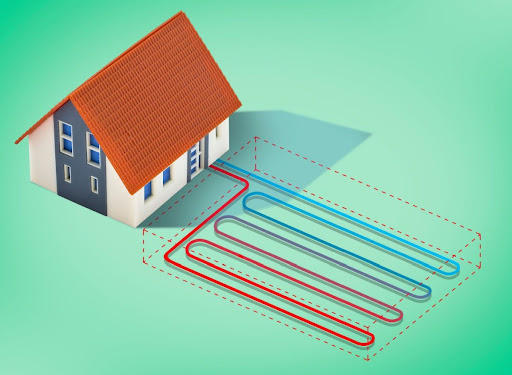
A geothermal HVAC system uses a series of underground pipes, called a loop system, to exchange heat with the earth. Below the frost line, ground temperatures remain relatively stable year-round. The system takes advantage of this consistency to regulate indoor temperatures.
During colder months, the system pulls heat from the ground and transfers it indoors. During warmer months, it removes heat from the home and releases it back into the earth. This heat transfer process allows the system to operate efficiently without depending on fluctuating outdoor air temperatures.
The Role of the Ground Loop
The ground loop is the foundation of any geothermal system. It is typically buried horizontally in trenches or vertically in boreholes, depending on available space and soil conditions. A fluid circulates through the loop, absorbing or releasing heat as needed.
Because the loop is buried underground, it is protected from weather-related wear and tear. This contributes to the long lifespan associated with geothermal systems. Proper loop design and installation are critical, as they directly impact system efficiency and performance.
Indoor Components of a Geothermal System
Inside the home, geothermal systems look similar to traditional HVAC equipment. The heat pump unit is usually installed in a basement, utility room, or mechanical space. It connects to the ground loop and the home’s ductwork or radiant heating system.
The indoor unit compresses and transfers heat using electricity, but it does not generate heat through combustion. This process allows for consistent temperature control and quiet operation. Many homeowners appreciate how unobtrusive geothermal systems feel once installed.
Energy Efficiency Benefits
One of the biggest advantages of geothermal HVAC systems is their efficiency. Because they move heat rather than create it, they use less energy compared to conventional heating and cooling systems.
Geothermal systems often achieve higher efficiency ratings than air-source heat pumps and furnaces. Over time, this efficiency can lead to lower utility costs. Actual savings depend on home size, insulation, usage habits, and system design, but many homeowners see noticeable reductions in energy consumption.
Comfort and Temperature Consistency
Geothermal systems provide steady, even comfort throughout the home. Since they rely on stable ground temperatures, they avoid the performance swings that can occur with systems affected by extreme outdoor conditions.
Homes heated and cooled by geothermal systems often experience fewer hot and cold spots. The system runs longer, gentler cycles, which helps maintain consistent indoor temperatures and humidity levels. This can make the home feel more comfortable during both summer and winter.
Longevity and Durability
Geothermal systems are known for their long lifespan. The underground loop can last several decades, while the indoor components often outlast traditional HVAC equipment.
Because much of the system is protected underground, it is less exposed to weather-related damage. This durability contributes to long-term reliability when the system is properly installed and maintained. Routine maintenance helps preserve efficiency and extends the life of the equipment.
Installation Considerations
Installing a geothermal system is more involved than replacing a traditional furnace or air conditioner. The process requires careful planning, site evaluation, and professional expertise. Yard space, soil conditions, and local regulations all play a role in system design.
While installation requires a larger upfront investment, many homeowners view geothermal as a long-term solution. The combination of energy savings, system longevity, and comfort can offset initial costs over time. A professional evaluation helps determine feasibility and expected performance.
Common Applications for Geothermal Systems
Geothermal HVAC systems work well in a variety of residential settings, including new construction and existing homes. They are especially appealing to homeowners planning to stay in their home long-term.
Some homeowners choose geothermal when replacing aging equipment, while others integrate it during major renovations. In some cases, geothermal systems are paired with radiant floor heating or zoned duct systems to enhance comfort.
Environmental Impact
Geothermal systems have a smaller environmental footprint compared to fossil fuel-based heating systems. They produce no on-site emissions and rely on renewable thermal energy stored in the ground. This makes them an appealing option for homeowners focused on sustainability and long-term energy responsibility.
Maintenance Expectations
Although geothermal systems are durable, they still require routine maintenance. Regular inspections help ensure proper operation and catch potential issues early.
Maintenance typically includes checking fluid levels, inspecting electrical components, and ensuring the heat pump operates efficiently. When maintained properly, geothermal systems provide reliable comfort with minimal disruption.
Professional Support Matters
Because geothermal systems involve specialized design and installation, working with experienced professionals is essential. Proper planning ensures the system is sized correctly and integrated smoothly with the home.
At Cooper Mechanical, we provide geothermal heating and cooling services with a focus on long-term performance and homeowner education. Our team takes the time to explain how the system works and what to expect throughout the process.
Serving Local Homeowners With Trusted Expertise
We understand the unique needs of homes in our region, from soil conditions to seasonal temperature demands. Our experience allows us to design systems that perform reliably year after year.
We proudly offer heating services in Bucks County and Montgomery County, helping homeowners explore efficient solutions that support comfort in every season. If you are curious about geothermal HVAC systems or considering an upgrade, our team is standing by to help you take the next step with confidence. Give us a call today!